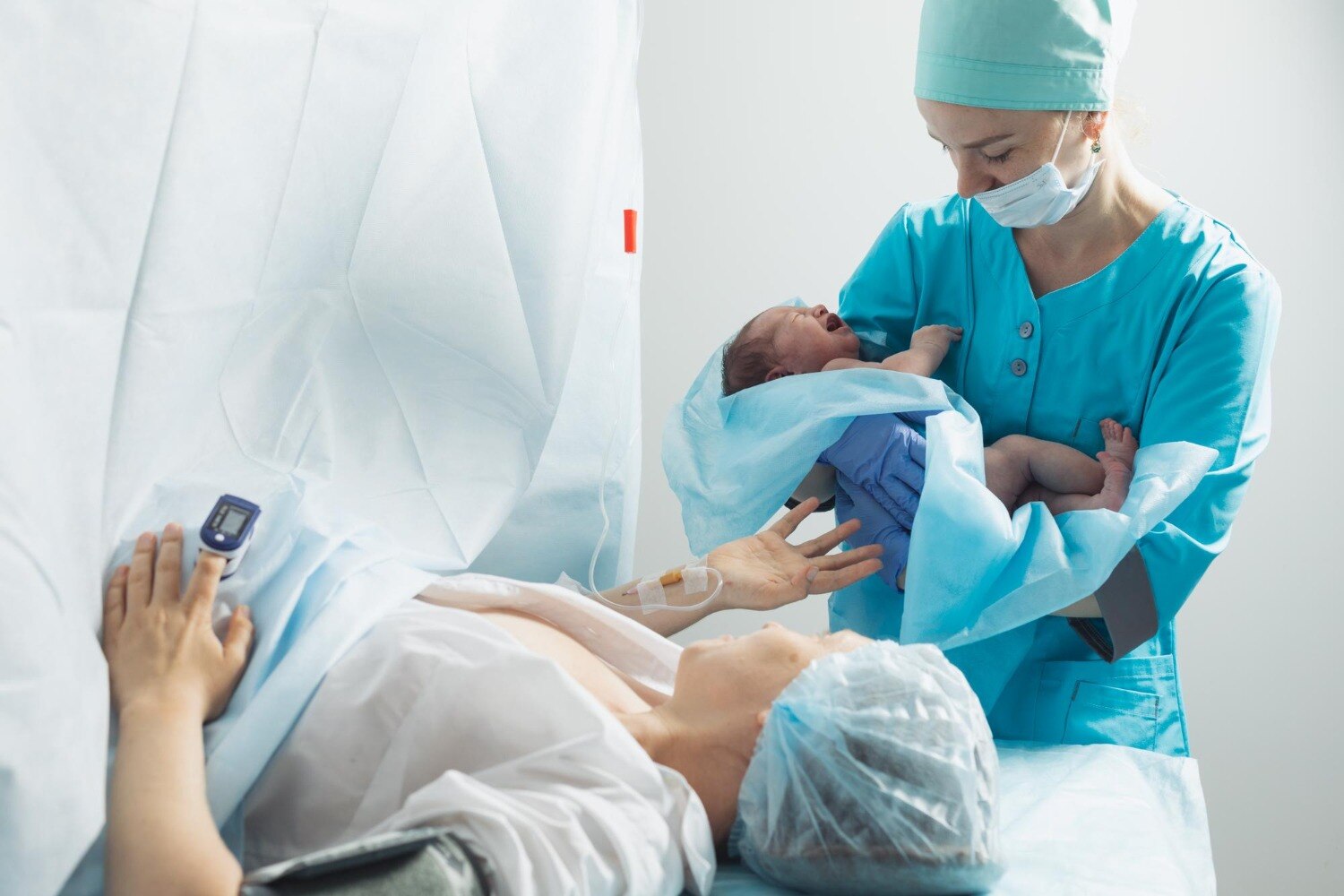
For an uncomplicated pregnancy, planning a vaginal birth can avoid abdominal surgery, support earlier mobility and shorten hospital recovery, but those advantages matter only when birth remains safe for you and your baby. You will learn how to assess your eligibility, compare birth options, prepare for labour and choose a facility with the staff and emergency capability to change the plan when needed.
Key takeaways
- Vaginal birth avoids an abdominal incision and postoperative wound recovery.
- Ask how the hospital manages induction, pain relief, monitoring and emergency Caesarean birth.
- Choose a facility with round-the-clock obstetric, anaesthesia and newborn support.
- Seek urgent care for heavy bleeding, fever, severe pain, breathlessness or a severe headache after birth.
When planned vaginal birth offers a real benefit—and when it may not
Planned vaginal birth is a worthwhile option for an uncomplicated pregnancy when assessment shows that labour is safe for you and your baby. The normal delivery care in airoli benefits include avoiding an abdominal incision, surgical anaesthesia, wound care and many postoperative restrictions.
You may walk sooner, manage routine care more easily and recover faster; when both of you are stable, breastfeeding and skin-to-skin contact may begin earlier.
| Option | Main benefits and costs | When it fits |
|---|---|---|
| Planned vaginal birth | No abdominal incision; usually earlier mobility and recovery; labour can still require intervention | Low-risk pregnancy with a suitable presentation and no obstruction |
| Planned Caesarean birth | Avoids labour but involves surgery, wound care, postoperative pain and lifting restrictions | When vaginal birth creates greater risk for the mother or baby |
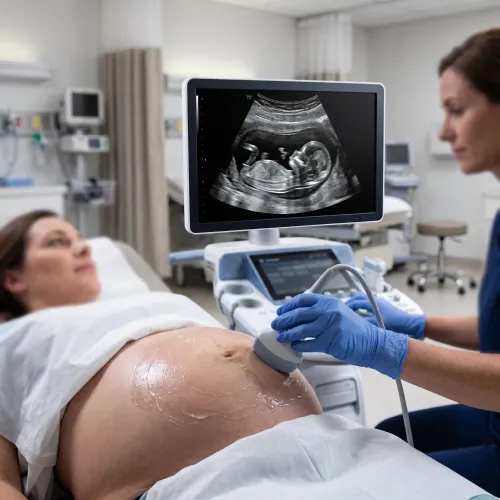
Your clinician will review fetal presentation, placental location, growth and well-being, gestational age, blood pressure, other illnesses, anaemia, previous births and any uterine surgery. Placenta previa, transverse lie, some breech presentations, severe maternal disease, fetal emergencies or selected uterine scars can make planned vaginal birth unsafe or unsuitable.
A previous Caesarean requires individual VBAC counselling. Discuss the chance of successful VBAC and uterine-scar rupture risk, and choose a hospital with immediate emergency-surgery access and neonatal-resuscitation capability.
Lower intervention is not always safer. Caesarean birth is not a failure; it can be the safest decision when risks change.
What happens during normal delivery care from early labour to birth
Labour care begins with an admission assessment: your blood pressure, pulse, temperature, symptoms, pregnancy records and cervical examination are reviewed. The team assesses contraction strength and spacing, checks the baby’s heart rate, and supports drinking fluids when appropriate, regular urination, movement and upright positions.
The first stage is cervical thinning and opening. In low-risk labour, intermittent fetal-heart-rate auscultation with a handheld Doppler can avoid unnecessary restriction; continuous cardiotocography is used when maternal or fetal risk requires closer monitoring. You can choose breathing and relaxation, movement, water immersion where available, injectable analgesics, nitrous oxide where available or epidural anaesthesia.
Pain relief is not a failure.
The second stage is pushing and birth. Emotional support and a permitted birth companion can help you cope and make decisions. Vacuum or forceps may be recommended for prolonged pushing, maternal exhaustion or a concerning fetal-heart-rate pattern; assisted birth can cause perineal tears, stitches or other trauma. An epidural does not itself require Caesarean birth.
The third stage is placental delivery, followed by checks for bleeding and uterine contraction. Normal birth care in Navi Mumbai should remain flexible:
- Induction may be advised for a medical indication or prolonged pregnancy.
- Caesarean birth may become safest after failed progress, heavy bleeding or serious maternal or fetal compromise.
- Ask why a change is needed, what alternatives exist and how urgently action is required.
This approach means planned vaginal birth with appropriate monitoring, not refusal of intervention.
How to prepare and choose a delivery hospital in Airoli
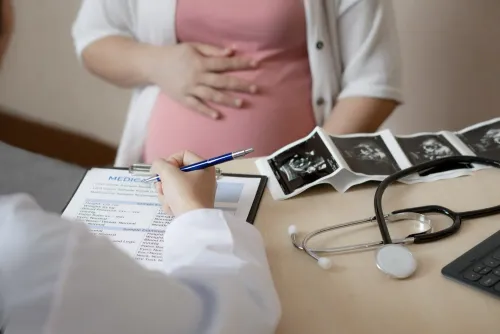
Begin a normal delivery consultation early in pregnancy, or promptly after transferring care. Bring previous medical records, your blood-group report, medication list, antenatal test results and every ultrasound report. Review frequency depends on gestational age and risk; visits usually become more frequent later or when a condition needs closer monitoring.
Make a birth plan covering your expected due date, warning symptoms, transport route, backup driver, hospital bag, support person, pain-relief preferences and a contingency plan if induction, assisted birth or Caesarean becomes safer. Dr. Namrata Kshatriya-Obstetrics & Gynecology can use this information for antenatal assessment, labour planning and timely escalation.
| Hospital feature | What to confirm | Why it matters |
|---|---|---|
| 24-hour cover | Obstetric and anaesthesia teams, including overnight staff | Delays are dangerous during sudden complications |
| Emergency readiness | Operating theatre ready for emergency Caesarean and blood-bank or rapid blood access | Labour can change quickly |
| Newborn care | Resuscitation equipment, neonatal-care capability and emergency transfer agreements | A newborn may need immediate specialist support |
| Family and recovery | Companion and visitor rules, plus postnatal breastfeeding support | Practical support affects your birth experience and early recovery |
Ask a normal delivery doctor in Airoli: “What is my risk assessment?” “When do you induce?” “How do you monitor low-risk labour?” “When do you recommend episiotomy, assisted birth or Caesarean?” “Who attends overnight?” and “How quickly can emergency surgery begin?” Compare these answers, not just a hospital’s advertised normal-delivery rate.
Related services
Antenatal Check Up Antenatal check-ups, also known as prenatal visits, are an essential component of maternity care. View service → |
Delivery - Normal & Caesarean Let's explore each method in more detail: 1. Normal (Vaginal) Delivery: Normal delivery is the most common and preferred method of childbirth when... View service → |
How spontaneous, induced, assisted and planned Caesarean births compare
Safety, recovery and convenience depend on your pregnancy and circumstances, not on choosing the least intervention. The normal delivery care in Airoli benefits include avoiding abdominal surgery and a longer postoperative recovery, but those benefits matter only when vaginal birth is clinically suitable.
| Option | What happens | Main trade-offs |
|---|---|---|
| Spontaneous vaginal birth | Labour begins without induction and ends vaginally | Usually avoids abdominal-wound care; tears, pelvic-floor symptoms and recovery discomfort remain possible |
| Induced labour | Cervical-ripening methods, contraction medicines and extra monitoring start labour | The hospital process can take longer; birth may still be vaginal or Caesarean |
| Assisted vaginal birth | Vacuum or forceps shorten prolonged pushing or respond to exhaustion or fetal concern | More perineal soreness, stitches, bruising or tears; the baby can have temporary scalp or facial marks |
| Planned Caesarean | Surgery occurs before labour is established | Requires wound care, lifting restrictions, postoperative pain management and a longer return to routine, with surgical risks |
Vaginal tears range from first- or second-degree injuries to less common third- or fourth-degree tears involving the anal sphincter or rectal lining. After birth, ask for examination, repair when needed, pain relief and follow-up for bowel, sexual, continence or pelvic-floor symptoms.
Normal birth care in Navi Mumbai should also fit your travel route, childcare, work, cost, recovery support and access to emergency care. Breastfeeding and bonding can begin after any birth when mother and baby are stable.
Induction, assisted birth or Caesarean may become safer during labour, so treat your birth plan as adaptable rather than a promise of intervention-free birth.
What to expect after birth and which symptoms need urgent attention
After vaginal birth, staff repeatedly check bleeding, uterine firmness, blood pressure, temperature, pain, urination and the perineum. Tears are examined; first- or second-degree injuries and episiotomy may need stitches, while deeper tears need specialist follow-up. They also assess the baby’s breathing, temperature, feeding and transition.
If both are stable, skin-to-skin contact, early breastfeeding help, newborn examination and vaccination counselling begin.
Follow-up checks wound or tear healing, pelvic-floor heaviness or leakage, bowel and bladder difficulty, sexual pain, mood and contraception. Arrange review for persistent pain, poor healing, continence problems or low mood. During a normal delivery consultation, agree which number to call, which maternity unit to attend and how transport will be arranged before labour.
| Situation | What to do | Why it matters |
|---|---|---|
| Heavy bleeding, soaking pads, fever, worsening abdominal pain, or wound redness or discharge | Seek urgent maternity-unit or hospital assessment | These symptoms can signal haemorrhage, infection or a complication requiring treatment |
| Severe headache or vision changes, convulsions, chest pain, breathlessness, or one-sided leg swelling or pain | Seek emergency hospital care immediately | These can indicate dangerous blood-pressure, heart, lung or clotting problems |
| Before birth: reduced fetal movements, leaking fluid, significant bleeding or regular painful contractions | Call the maternity unit promptly and follow its admission instructions | Do not wait for a routine appointment |
| Mild improving soreness or planned contraception and recovery review | Attend the routine postnatal appointment | Stable recovery concerns need assessment but not emergency transport |
Regular antenatal reviews identify risks early and prepare both a vaginal-birth plan and a safe emergency alternative.
Frequently asked questions
When does planned vaginal birth offer a real benefit?
It can avoid an abdominal incision, surgical anaesthesia, wound care and many postoperative restrictions when labour is safe for you and your baby.
What happens during normal delivery care from early labour to birth?
Care usually includes assessing labour, monitoring you and the baby, supporting pain relief and positioning, and managing the birth and placenta after the baby arrives.
How should you choose a delivery hospital in Airoli?
Ask about obstetric coverage, fetal monitoring, pain-relief options, newborn care, emergency Caesarean access and post-birth support.
How do spontaneous, induced, assisted and planned Caesarean births differ?
Spontaneous labour starts without medication; induced labour is started medically; assisted birth uses instruments when needed; planned Caesarean birth uses abdominal surgery.
Which symptoms need urgent attention after birth?
Seek urgent medical care for heavy bleeding, fever, severe or worsening pain, breathing difficulty, chest pain, a severe headache or vision changes.
Related services
Maternity & Gynaecology Maternity and gynecology are two interconnected medical specialties that focus on the health and well-being of women, particularly related to... View service → |
Painless Delivery also known as pain relief during childbirth, is a method of managing and reducing the pain experienced by the mother during labor and delivery. View service → |
Keywords