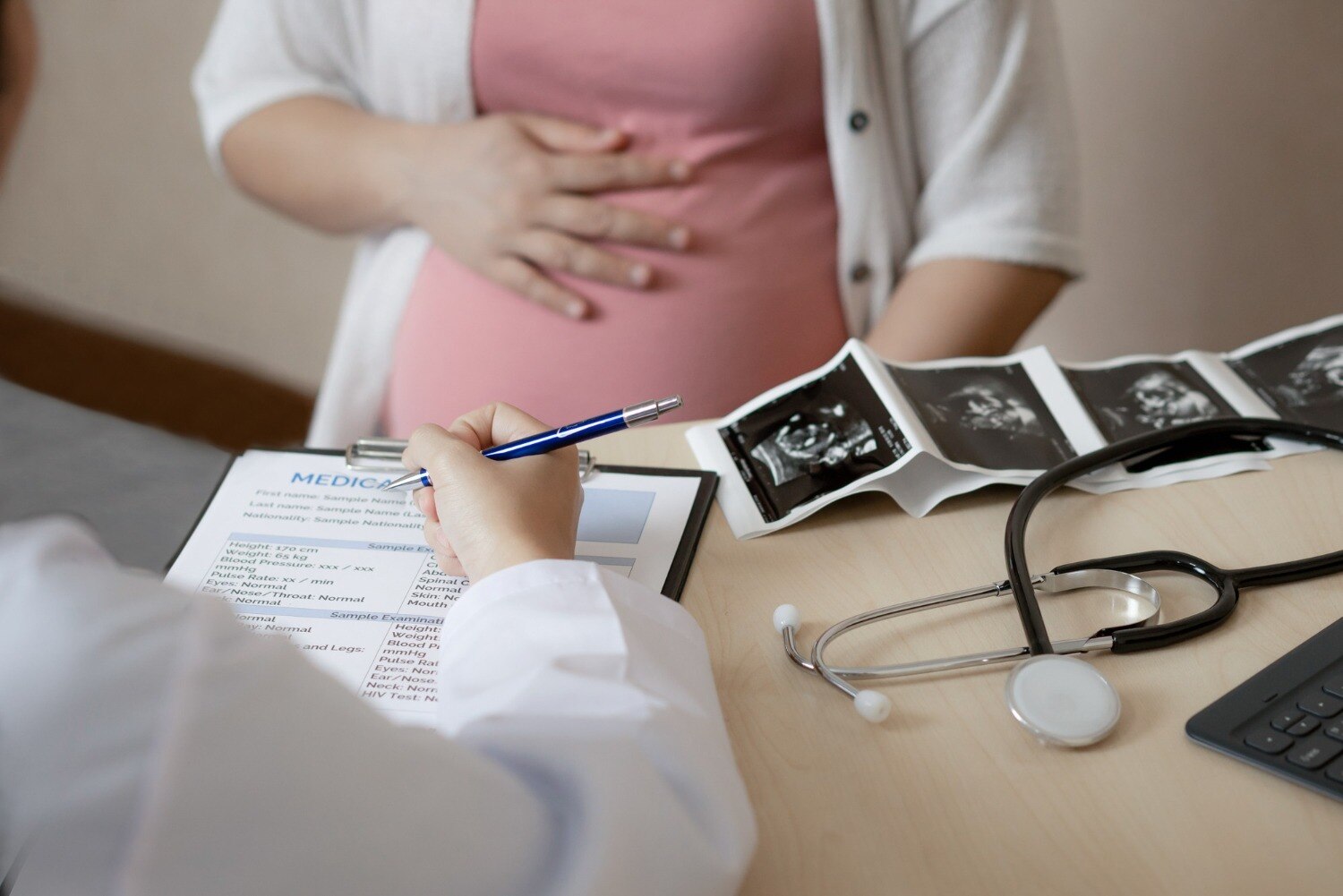
Heavy bleeding, severe pain, leaking fluid, reduced fetal movement, breathing difficulty and severe headache with vision changes need more than a routine appointment. By identifying the warning signs, matching them to the right level of care and preparing the information clinicians need, you can act faster when a pregnancy problem appears.
Key takeaways
- Seek emergency care for collapse, chest pain, severe breathlessness, or heavy bleeding.
- Contact your maternity team the same day for reduced movements, fever, or leaking fluid.
- High-risk pregnancies need a documented monitoring plan and clear emergency instructions.
- Bring your pregnancy records, medicines, scan reports, and blood group details to assessment.
Which pregnancy symptoms need emergency care, same-day advice or routine review?
Go directly to an emergency department for collapse, severe breathlessness, chest pain, heavy vaginal bleeding, severe or persistent abdominal pain, suspected ruptured ectopic pregnancy, or fluid leaking with labour symptoms. Do not wait for a clinic appointment.
| Situation | What to do | Examples |
|---|---|---|
| Emergency now | Go to hospital or call emergency services | Fainting, severe pain, heavy bleeding, severe breathlessness, chest pain, markedly reduced fetal movement |
| Same-day obstetric advice | Call an obstetrician today for assessment instructions | Persistent vomiting, fever, light bleeding, suspected fluid leakage, painful contractions before term, severe headache, vision changes, sudden swelling, high blood pressure |
| Routine review | Record the symptom and discuss it at antenatal care | Mild nausea, constipation, occasional backache, or stable symptoms already assessed |
A severe headache with blurred vision, flashing lights, right-upper-abdominal pain, or sudden swelling needs same-day assessment because it can signal pre-eclampsia. Reduced fetal movement needs immediate maternity advice, not observation until tomorrow.
After delivery, seek emergency care for heavy bleeding, fever, chest pain, breathing difficulty, one-sided leg swelling, worsening incision pain, severe headache with vision changes, or thoughts of harming yourself or the baby.
When contacting pregnancy problems maternity gynecology care in Navi Mumbai, report your weeks of pregnancy, symptom onset, bleeding or fluid amount and colour, pain severity, temperature, blood-pressure reading, and fetal movement. Carry your antenatal record, scans, medication list, blood group results, and identification. A routine gynecology consultation is not suitable for collapse or severe bleeding.
Warning signs from early pregnancy to the weeks around delivery
Severe one-sided abdominal pain, shoulder-tip pain, dizziness or fainting with early-pregnancy bleeding can indicate an ectopic pregnancy. Go to an emergency department immediately, especially if pain becomes sudden or intense. Bleeding with cramps or passing tissue can indicate miscarriage and needs same-day obstetric assessment; heavy bleeding, severe pain or fainting is an emergency.
| Stage | Warning sign | Possible problem and response |
|---|---|---|
| Early pregnancy | One-sided pain, bleeding, fainting | Ectopic pregnancy; emergency assessment |
| Early to mid-pregnancy | Bleeding, cramping, clots or tissue | Miscarriage; contact maternity care the same day |
| 24–28 weeks | Usually no symptoms; increased thirst or urination is not a reliable test | Gestational diabetes; complete glucose screening, with earlier testing if risk factors apply |
| After 20 weeks or after birth | Blood pressure 140/90 mmHg or higher, severe headache, visual changes, upper-abdominal pain, sudden swelling or breathlessness | Pre-eclampsia; same-day assessment, or emergency care for blood pressure 160/110 mmHg or higher |
| Before 37 weeks | Regular painful contractions, pelvic pressure, backache or fluid leaking | Preterm labour or ruptured membranes; urgent maternity assessment |
| Late pregnancy | Bright-red bleeding, constant abdominal pain or a rigid tender abdomen | Placental abruption; emergency care |
| Near delivery | Painless bright-red bleeding or reduced fetal movement | Placenta previa or fetal compromise; do not wait for a routine visit |
Gestational diabetes often has no symptoms, so screening matters more than how you feel. Reduced movement, suspected fluid leakage, heavy bleeding, severe pain or breathing difficulty warrant immediate contact with maternity gynecology problems in Navi Mumbai or the nearest emergency department.
Who needs closer monitoring and how are pregnancy problems assessed?
Chronic hypertension, pre-existing diabetes, kidney or heart disease, autoimmune disease, epilepsy requiring medication, and a multiple pregnancy can require a high-risk obstetric plan. A previous stillbirth, severe pre-eclampsia, gestational diabetes, ectopic pregnancy, miscarriage, premature birth, or caesarean birth also changes the assessment.
These factors do not automatically require caesarean birth, but they can alter medicines, scan frequency, delivery timing, and hospital choice.
When choosing a gynecologist for pregnancy problems in Airoli, ask whether the service provides:
- Blood-pressure measurement and urine testing for protein, infection, or dehydration
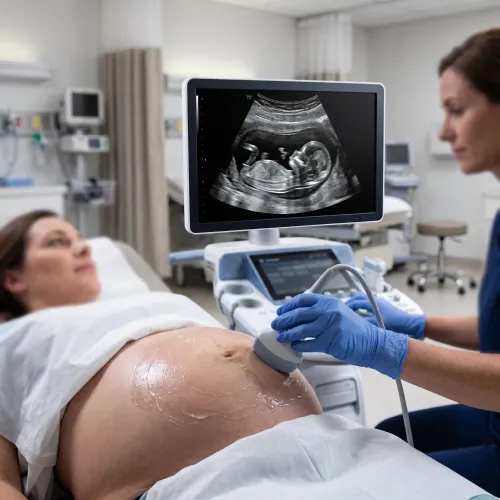
- Ultrasound access for pregnancy location, bleeding, growth, placenta, and fluid assessment
- Fetal heart-rate monitoring, including cardiotocography when indicated
- Blood tests such as complete blood count, blood group and Rh type, electrolytes, kidney function, liver enzymes, glucose, and infection tests
- Emergency referral to a hospital equipped for caesarean birth, haemorrhage, premature birth, and neonatal emergencies
| Problem | Assessment commonly used | What it helps identify |
|---|---|---|
| Persistent vomiting | Urine output review, weight, electrolytes, kidney function, urine ketones | Dehydration, hyperemesis gravidarum, and the need for intravenous fluids or thiamine |
| Bleeding or pain | Ultrasound, blood group and Rh type, haemoglobin, serial pregnancy-hormone tests when early | Ectopic pregnancy, miscarriage, anaemia, or placental problems |
| High blood pressure or headache | Repeat pressure readings, urine protein, platelet count, kidney and liver tests | Pre-eclampsia and organ involvement |
| Reduced fetal movement or suspected labour | Fetal monitoring, ultrasound, examination, and infection tests when indicated | Fetal distress, fluid loss, growth concerns, or preterm labour |
What should you do when a pregnancy warning sign appears?
Do not wait for a clinic appointment if you have collapsed, severe bleeding, severe breathlessness, chest pain, or severe abdominal pain with fainting. Call emergency services or go directly to the nearest emergency department, preferably with another adult and your pregnancy records.
| Situation | Examples | Action |
|---|---|---|
| Emergency now | Collapse, heavy bleeding, severe pain, breathlessness, chest pain, confusion | Call emergency services; do not drive yourself |
| Contact maternity care immediately | Leaking fluid, reduced fetal movement, painful contractions before term, persistent vomiting, high fever, severe headache, vision changes, sudden swelling, or high blood pressure | Call the obstetric service or a pregnancy complications doctor in Airoli now |
| Routine review | Mild, stable symptoms without bleeding, pain, fever, or reduced movement | Arrange antenatal advice; do not self-diagnose |
Tell the clinician your weeks of pregnancy, symptom start time, bleeding amount and colour, fluid appearance, temperature, blood-pressure readings, medicines, medical conditions, and your baby’s usual movement pattern.
Bring these items:
- Antenatal record, scan reports, blood tests, blood group result, prescriptions, and an identification document
- A list of medicines, supplements, allergies, and previous pregnancy or surgery details
- A companion who can describe events if you become unwell
Avoid driving while dizzy, taking painkillers or antibiotics without advice, using a home Doppler to check reduced movement, or waiting for symptoms to settle. Do not eat or drink if emergency staff instruct you to prepare for a procedure.
How to choose maternity gynecology care for a high-risk or urgent pregnancy
Choose the service by what happens after a worrying phone call, not by clinic distance alone. For pregnancy problems, maternity gynecology care in Navi Mumbai should include obstetric assessment, blood-pressure and urine testing, fetal monitoring, and prompt ultrasound access. A clinic’s location does not prove it can manage a time-critical complication.
| Capability | What to verify | Why it matters |
|---|---|---|
| Emergency access | Same-day assessment and a clear route to an emergency department | Severe bleeding, fainting, chest pain, breathlessness, or reduced fetal movement cannot wait for a routine appointment |
| Hospital support | Named hospital with cesarean, hemorrhage, premature-birth and neonatal emergency facilities | Treatment delays become dangerous when a clinic must find a hospital during deterioration |
| High-risk pathway | Maternal-fetal-medicine referral for hypertension, diabetes, kidney or heart disease, autoimmune illness, multiple pregnancy, or previous severe pre-eclampsia | These conditions can alter monitoring, medication and delivery planning |
| Continuity | The obstetric team follows you through labour, discharge and postnatal review | Problems can emerge after birth, not only during pregnancy |
Ask Dr. Namrata Kshatriya-Obstetrics & Gynecology which hospital receives emergencies, who covers nights and weekends, and whether the same team reviews you after delivery. Also confirm how RhD-negative bleeding or trauma is handled and where anti-D immunoglobulin is arranged.
- A direct emergency number, not only an online booking form
- Written instructions for suspected fluid leakage or reduced movements
- Postnatal escalation for heavy bleeding, fever, severe headache, chest pain, breathing difficulty, leg swelling, worsening incision pain, or self-harm thoughts
Related services
Maternity & Gynaecology Maternity and gynecology are two interconnected medical specialties that focus on the health and well-being of women, particularly related to... View service → |
Antenatal Check Up Antenatal check-ups, also known as prenatal visits, are an essential component of maternity care. View service → |
Frequently asked questions
Which pregnancy symptoms need emergency care?
Go to an emergency department for collapse, severe breathlessness, chest pain, heavy vaginal bleeding, severe or persistent abdominal pain, suspected ruptured ectopic pregnancy, or fluid leaking with labour symptoms.
When should you seek same-day pregnancy advice?
Contact your maternity team the same day for reduced fetal movements, vaginal bleeding that is not heavy, leaking fluid without labour symptoms, severe headache, vision changes, sudden swelling, fever, painful urination, or regular contractions before term.
Who needs closer pregnancy monitoring?
Closer monitoring is needed with high blood pressure, diabetes, thyroid disease, prior pregnancy complications, multiple pregnancy, abnormal scans, bleeding, growth concerns, or maternal medical conditions.
What happens when a pregnancy warning sign is assessed?
The clinician checks your symptoms, blood pressure, pulse, temperature, urine, blood tests, fetal heart rate, and ultrasound findings when indicated, then decides between emergency treatment, admission, same-day follow-up, or routine review.
Keywords